The short answer
Spool Berkley Trilene 100% Fluorocarbon for cranking and everyday casting, Sufix 832 braid where you need strength in a thin line (with a fluorocarbon leader in clear water), and Sufix Advance monofilament if you want a forgiving, floating line for topwaters and a first bass setup.
Our verdict
Bass Fishing Line Top Picks
Bass anglers often change line by technique: a frog in matted grass, a crankbait on a rocky point and a drop shot in clear water all ask for something different. As Tackle Warehouse’s line guide puts it, “There are no hard and fast rules when it comes to bass fishing line.” What you can control is the type (monofilament, fluorocarbon, braid or copolymer), the pound test and the diameter, and those three choices are what this guide is built around. If you are still choosing the baits themselves, our guide to the types of fishing lures explains what each one is for.
Related guide: Best Magnets for Fishing: 8 Picks Compared
We compared nine lines from six brands, and for each one we name the exact test, colour and spool length our Amazon link opens, the maker’s published diameter for that test, and the bass techniques the sources we cite use that type and weight for. The evidence comes from Outdoor Life’s bass line picks, OutdoorGearLab’s hands-on line test, Anglr’s technique-by-technique guide by tournament angler Shaye Baker, Tackle Tour’s braid review and what bass anglers say on forums.
Line finder
Find a bass line for how you fish
Pick a technique and a price tier. The suggestion is our editorial starting point among the nine lines below, drawn from the sources cited in each review, not a test result.
Tiers are relative to the lines in this guide; live prices are in the comparison table below.
Compare the picks
Compare the 9 Bass Fishing Lines
Every row is the exact test, colour and spool length the link opens. Diameters are the makers’ published figures for that test; “Not published” means the maker’s product page gives none. Break strengths are the makers’ own ratings (there is no independent standard printed on these spools), and Seaguar notes on its pages that its rated break strength “is not intended to guarantee or warranty actual performance.”
 Berkley Trilene 100% FluorocarbonEveryday FluorocarbonCranking, chatterbaits, all-roundFluorocarbon0.013 in$13.49 Prime
Evidence: Outdoor Life (Trilene 100% Fluorocarbon); pound test not stated
 Seaguar TatsuFinesse Leader FluorocarbonFinesse leaders, drop shot, clear waterFluorocarbon0.009 in$36.84
Evidence: OutdoorGearLab tested the 8 lb (spool not stated); not tested for bass
 Seaguar AbrazXHeavy-Cover FluorocarbonWood and docks, swimbaits, flippingFluorocarbon0.015 in$34.48 Prime
Evidence: Outdoor Life, 16 lb and 20 lb; same line, not this 17 lb
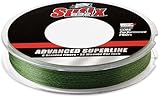 Sufix 832All-Round BraidTexas rigs, topwaterBraid0.011 in$16.95 Prime
Evidence: Anglr (Shaye Baker's own braid); pound test not stated
 PowerPro SpectraFrog and Flipping BraidFrogs, grass flipping, heavy coverBraidNot published$19.55
Evidence: Outdoor Life, 50 and 65 lb (colour and spool not stated); OutdoorGearLab's 8 lb test was critical
 Daiwa J-Braid x8 GrandEight-Strand BraidTexas rigs, swim jigsBraid0.011 in$20.77 Prime
Evidence: Tackle Tour, 20 lb and 50 lb; same line, not this 30 lb
 Sufix AdvanceLow-Stretch MonofilamentTopwater, spinnerbaits, all-roundMonofilament0.014 in$16.99 Prime
Evidence: Outdoor Life (Sufix Advance); pound test not stated
 Berkley Trilene Big GameBulk-Spool MonofilamentTopwater, swimbaits, beginnersMonofilament0.015 in$9.46 Prime
Evidence: OutdoorGearLab, 10 lb; same line, not this 15 lb
 P-Line CXX X-Tra StrongCopolymerMoving baits, topwater, open waterCopolymerNot published
Evidence: owner reports, no independent test
How We Matched Lines to Bass Techniques
How this guide was built
built from manufacturer documentation, published third-party reviews and owner reports; we have not tested these products ourselves.
What we checked for each line
- Type for the technique. Fluorocarbon sinks, braid and most monofilament float, and stretch runs from almost none (braid) to the most (mono), per Tackle Warehouse’s line guide and Anglr. Each pick is matched to the techniques its type suits.
- A pound test that bass anglers use. Every linked test sits inside the ranges our sources give for bass: for example 10 to 15 lb fluorocarbon for deep crankbaits, 6 to 12 lb fluorocarbon leaders for finesse rigs and 40 to 65 lb braid for frogs, per Anglr.
- The maker’s diameter for that exact test, because diameter changes how far you cast and how deep a crankbait runs. Where a maker publishes no diameter, we say so.
- Amazon availability of the exact variant, checked on the listing (test, colour and spool length) on the day of writing.
Where the evidence comes from, how independent each source is and what bass anglers on forums tell beginners
Where the evidence comes from
- Outdoor Life’s best fishing lines for bass by Pete Robbins (with an AbrazX section by Scott Einsmann): picks Seaguar Tatsu, Berkley Trilene 100% Fluorocarbon, PowerPro Spectra, Sufix Advance, Berkley Big Game and Seaguar AbrazX. Robbins writes that he “experimented” with the lines; the page does not say which pound tests he used except where noted in each review.
- OutdoorGearLab’s fishing line test: eight lines fished and bench-tested, including Seaguar Tatsu (8 lb), Berkley Trilene Big Game (10 lb) and PowerPro Spectra (8 lb). Its testing waters were western lakes, rivers and the Southern California coast rather than bass tournament water.
- Anglr’s bass line guide by Shaye Baker, a tournament bass angler: line type and pound test for 22 techniques, plus the braid, fluorocarbon and mono he spools himself.
- Tackle Tour’s J-Braid Grand review: a season of Texas rigs, swim jigs and a swimbait on the 20 lb and 50 lb tests.
- Maker pages for every spec, and a Seaguar blog post (maker-hosted, so not independent) for how bass pros use Tatsu leaders.
How independent each source is
Outdoor Life, OutdoorGearLab, Anglr and Tackle Tour do not sell fishing line, though Outdoor Life and OutdoorGearLab earn affiliate commissions. Tackle Warehouse, KastKing and Douglas Outdoors rank for this search too; Tackle Warehouse and KastKing sell line, so we use them only for general guidance, never as a review of a pick. None of the independent sources reviewed every test or spool size we link, so each review says which test the source covered.
What bass anglers on forums tell beginners
In the r/bassfishing thread that ranks for this search, the advice to a beginner was simple. One poster wrote: “If you’re brand new, go with monofilament to make things easier.” Another added: “If you’re just getting started, skip the braid and just use mono.” That matches Tackle Warehouse’s FAQ, which says monofilament “is commonly reccomended for beginners due to its low cost, ease of handling, and stretch.” If you are new to bass fishing, start with the Sufix Advance or Berkley Trilene Big Game and add braid or fluorocarbon as your techniques call for it. Our bass fishing tips for beginners cover the rest of a first setup.
Bass Fishing Lines: Detailed Reviews
Berkley Trilene 100% Fluorocarbon, Everyday Fluorocarbon
Berkley Trilene 100% Fluorocarbon
12 lb Clear, 110 yd · 0.013 in
Bass anglers who want one fluorocarbon for crankbaits, chatterbaits and general casting and expect to respool often.
$13.49 from AmazonAs of Nov 4, 09:43 UTCVerdict
A fluorocarbon you can afford to respool often, picked by Outdoor Life’s bass writer for chatterbaits and cranking.
Evidence: Independently reviewed, same series. Outdoor Life: test not stated.
Outdoor Life’s Pete Robbins names Trilene 100% Fluorocarbon his everyday fluorocarbon for bass and writes: “The Trilene brand name has stood the test of time in serious bass fishing circles, and Trilene 100% Fluorocarbon is a reasonably-priced option that will benefit everyone from the first-timer to the serious bass pro.” He uses it for chatterbaits and cranking because, in his words, he does not “have to worry about excessive memory.” His one caveat: it is “not quite as supple as ultra-premium fluorocarbons.” He does not say which pound test he spools.
Related guide: Fly Fishing Tippet Rings: 7 Picks Compared
Berkley describes the line as fast-sinking “with greater line density for high sensitivity and less ‘bow’ in the water,” and sells it from 4 to 25 lb on 110, 200 and 2,000 yd spools. We link the 12 lb on a 110 yd spool, at 0.013 in on Berkley’s chart. That test sits inside Anglr’s 10 to 15 lb range for deep crankbaits and 10 to 12 lb for jerkbaits; Shaye Baker steps up to 15 to 17 lb fluorocarbon for shallow cranking around cover, so buy a heavier test of the same line for that.
A 110 yd spool is short, and Anglr suggests spooling fluorocarbon over monofilament backing anyway, so you are not paying for fluorocarbon that never leaves the spool. Our guide to putting line on a reel walks through the backing knot.
Specs (linked: 12 lb Clear, 110 yd)
Pros
- Fluorocarbon sensitivity and sink at a budget price tier for this guide
- Outdoor Life’s pick for cranking and chatterbaits
- Sold in 110 yd spools, so respooling a reel costs less
Cons
- Not quite as supple as premium fluorocarbons, per Outdoor Life
- A 110 yd spool needs backing on most baitcasters
- Fluorocarbon sinks, so it is a poor match for floating topwaters
Who should buy it
Bass anglers who want one fluorocarbon for crankbaits, chatterbaits and general casting and expect to respool often.
- Type: 100% fluorocarbon (Berkley: “Proprietary 100% PVDF formula”)
- Diameter: 0.013 in (Berkley); the Amazon listing also states 0.013 in
- Spool: 110 yd
- Tests sold: 4 to 25 lb (Berkley)
- Price tier: $ (live Amazon price in the table above)
Seaguar Tatsu, Finesse Leader Fluorocarbon
Spinning-reel anglers who fish drop shots, Ned rigs and other finesse baits on braid and want a premium fluorocarbon leader.
$36.84 from AmazonAs of Nov 4, 09:39 UTCVerdict
A premium fluorocarbon we link at 8 lb for drop-shot, Ned and jighead-minnow leaders, the test Seaguar’s own pro blog describes for finesse bass rigs.
Evidence: Independently reviewed, same series. OutdoorGearLab: 8 lb, spool not stated.
Outdoor Life rates Tatsu its premium fluorocarbon for bass, writing that it is “invisible and abrasion-resistant like other fluoros, but reduces the lack of manageability that plagues some of them,” and Pete Robbins uses it “on all of my spinning reel braid-to-fluoro finesse connections, for techniques such as dropshotting and Ned rigging.” OutdoorGearLab tested Tatsu in 8 lb, the test we link, and wrote: “The premium Seaguar Tatsu 100% Fluorocarbon proved to be one of the best casting fluorocarbon lines we’ve fished with, remaining reasonably supple even after spending time sitting on the reel between fishing trips.” OutdoorGearLab’s cons list for it reads “Expensive, doesn’t cast as well as braided lines,” and its testing was not for bass.
Related guide: Fly Fishing Waders: 8 Picks Compared
On Seaguar’s own blog (maker-hosted, so not independent), Bass Pro Tour angler Matt Becker is described as preferring “18-pound PEX8 with a leader of 8-pound Seaguar Tatsu” for the jighead minnow, and 10 or 12 lb Tatsu for a Neko rig. Greg Hackney tells Mossy Oak he never goes above 8 lb for a drop shot or shaky head. Seaguar lists 8 lb Tatsu at .009 in.
At the time of writing, this 8 lb, 200 yd spool was sold on Amazon by third-party sellers (Mike’s Sports, then Gritr), with few spools left; check the seller in the box above before you buy.
Specs (linked: 8 lb, 200 yd)
Pros
- Thin 8 lb fluorocarbon for finesse leaders, the test OutdoorGearLab fished
- Outdoor Life’s premium fluorocarbon pick for drop shots and Ned rigs
- Stayed supple on the reel between trips in OutdoorGearLab’s use
Cons
- Premium price tier; OutdoorGearLab lists “Expensive” first among its cons
- Sold by a third-party seller on Amazon at the time of writing
- 8 lb is a leader or light-line test, not a cover line
Who should buy it
Spinning-reel anglers who fish drop shots, Ned rigs and other finesse baits on braid and want a premium fluorocarbon leader.
- Type: 100% fluorocarbon, double structure (Seaguar “DSF”)
- Diameter: .009 in / .235 mm (Seaguar)
- Spool: 200 yd
- Tests sold: 4 to 25 lb on 200 and 1,000 yd spools (Seaguar)
- Price tier: $$$ (live Amazon price in the table above)
Seaguar AbrazX, Heavy-Cover Fluorocarbon
Bass anglers who pitch, swim jigs or throw swimbaits around wood, docks and rock and want a fluorocarbon built for abrasion.
$34.48 from AmazonAs of Nov 4, 09:43 UTCVerdict
Seaguar’s abrasion-focused fluorocarbon for wood, docks, rock and big swimbaits; it does a different job from Tatsu, so the two are not interchangeable.
Evidence: Independently reviewed, same series. Outdoor Life (Scott Einsmann): 16 lb and 20 lb.
Seaguar pitches AbrazX for “the nastiest conditions including around logs, rocks, docks, and in heavy grass.” In Outdoor Life’s guide, Scott Einsmann writes: “I’ve been using 16-pound AbrazX for smaller baits like the Tiny Klash and 6-inch Magdraft because the thinner diameter gives the baits more action.” He uses 20 lb for bigger glide baits and reports no cast-offs or knot failures over a season of big baits, “even while fishing thick hydrilla matts and around docks.” Outdoor Life’s caveat: “Not the best choice for finesse applications.”
We link the 17 lb, 200 yd spool, between Einsmann’s two tests and inside Anglr’s 17 to 20 lb range for flipping shallow wood and swimming a jig. Seaguar lists 17 lb AbrazX at .015 in; the Amazon listing gives the same figure.
AbrazX or Tatsu? Tatsu is the finesse leader and light main line; AbrazX is the cover line. Both are Seaguar fluorocarbons in the premium tier here; pick by technique, not brand.
Specs (linked: 17 lb, 200 yd)
Pros
- Built for abrasion around wood, docks, rock and grass, per Seaguar
- Used for swimbaits and glide baits by Outdoor Life’s Scott Einsmann
- Sold and shipped by Amazon at the time of writing
Cons
- Premium price tier for a cover line you will respool often
- Not the best choice for finesse, per Outdoor Life
- Sinks, so it does not suit floating topwaters
Who should buy it
Bass anglers who pitch, swim jigs or throw swimbaits around wood, docks and rock and want a fluorocarbon built for abrasion.
- Type: 100% fluorocarbon
- Diameter: .015 in / .370 mm (Seaguar); the Amazon listing also states .015 in
- Spool: 200 yd
- Tests sold: 4 to 25 lb (Seaguar)
- Price tier: $$$ (live Amazon price in the table above)
Sufix 832, All-Round Braid
30 lb Low-Vis Green, 150 yd · 0.011 in
Bass anglers who want one braid for Texas rigs and topwaters; in a lighter test (Anglr uses 10 to 15 lb), it also works as a spinning main line with a fluorocarbon leader.
$16.95 from AmazonAs of Nov 4, 09:43 UTCVerdict
One of the two braids tournament angler Shaye Baker says he would spool (with Fitzgerald Vursa), linked at 30 lb for Texas rigs and long-cast topwaters; for a spinning main line, buy a lighter test (Anglr uses 10 to 15 lb).
Evidence: Independently reviewed, same series. Anglr (Shaye Baker): test not stated.
In Anglr’s guide, Shaye Baker writes: “I found Sufix 832 a few years ago and haven’t done much looking sense.” He calls it “strong, limber, holds color fairly well, and lasts a long time.” He does not say which test he spools, so we link the 30 lb, inside his 30 to 40 lb range for a shallow Texas rig and for long-cast topwaters with treble hooks.
Sufix builds 832 from eight fibers, seven HMPE plus one GORE Performance Fiber, at 32 weaves per inch, and lists 30 lb at 0.011 in. On Sufix’s chart that is thinner than the 12 lb monofilament (0.014 in) and 12 lb fluorocarbon (0.013 in) in this guide, which is why braid casts farther and holds more line on a small spool.
Braid is visible in clear water, so most bass anglers tie a fluorocarbon leader for finesse work; Tackle Warehouse says a leader “combines the strength of braided line with the invisibility of fluoro.”
832 or J-Braid? Both are 30 lb, 0.011 in, eight-strand braids on 150 yd spools. 832 has the independent pick from a bass tournament angler (test not stated); J-Braid has Tackle Tour’s season-long bass review of the 20 and 50 lb tests Either covers the same jobs.
Specs (linked: 30 lb Low-Vis Green, 150 yd)
Pros
- Thin 30 lb braid, 0.011 in on Sufix’s chart, for long casts and a full spool
- Named by Anglr’s Shaye Baker as one of his two go-to braids
- Sold and shipped by Amazon at the time of writing
Cons
- Visible in clear water, so finesse work needs a fluorocarbon leader
- Braid needs braid knots (Palomar, uni) rather than a clinch knot
- Floats, so it is a poor main line for deep crankbaits
Who should buy it
Bass anglers who want one braid for Texas rigs and topwaters; in a lighter test (Anglr uses 10 to 15 lb), it also works as a spinning main line with a fluorocarbon leader.
- Type: braid, 8 fibers (7 HMPE + 1 GORE Performance Fiber), 32 weaves per inch (Sufix)
- Diameter: 0.011 in (Sufix chart); the Amazon listing rounds to 0.01 in
- Spool: 150 yd
- Price tier: $$ (live Amazon price in the table above)
PowerPro Spectra, Frog and Flipping Braid
50 lb Vermilion Red, 150 yd · Not published
Anglers who throw frogs, flip grass mats or punch heavy cover on a baitcaster and need a heavy braid.
$19.55 from AmazonAs of Nov 4, 09:43 UTCVerdict
The long-standing braid Outdoor Life’s bass writer spools at 50 and 65 lb for frogs and grass flipping; one independent test of a much lighter version was less kind.
Evidence: Independently reviewed, same series. Outdoor Life: 50 lb and 65 lb, colour and spool not stated.
Pete Robbins writes in Outdoor Life: “I spool up many reels each year with 50- and 65-pound test Power Pro for frogging and grass flipping each year, and use it on hard-fighting beasts like Amazonian peacock bass, with the full expectation that it’ll never let me down because it never has.” His caveat: it is “sometimes a little noisy going through guides.” OutdoorGearLab tested the 8 lb (not a frog test) and was less positive: “While this line had some good characteristics, its drawbacks outweighed its benefits,” listing “Easily frays, line sticks together” as cons. The two sources tested very different strengths for different fishing, so read both.
Shimano, which sells PowerPro, says its treatment makes a line that “enhances pitchin’, flipping, jigging, casting, trolling, and big game fishing,” and that the four-strand weave lets it “cut through aquatic growth rather than tangling in it.” Anglr runs 40 to 65 lb braid for frogs and about 65 lb for punching. Shimano’s page publishes no diameters.
We link the 50 lb, 150 yd spool in Vermilion Red: on Amazon the Moss Green 50 lb 150 yd was not on this listing and the nearby Moss Green spools were out of stock when we checked. Shimano lists Moss Green, White, Vermilion Red and Hi-Vis Yellow. At the time of writing this spool was sold on Amazon by a third-party seller, Fishermen’s Source, with few left; check the seller in the box above before you buy.
PowerPro or 832 for cover? PowerPro at 50 lb is the heavier, four-strand line Outdoor Life uses in grass and mats; 832 at 30 lb is the thinner all-round braid. For frogs and punching, the heavier test is the one our sources use.
Specs (linked: 50 lb Vermilion Red, 150 yd)
Pros
- Heavy 50 lb braid that Outdoor Life uses for frogs and grass flipping
- Four-strand weave that Shimano says cuts through vegetation
- Budget price tier for a heavy braid in this guide
Cons
- OutdoorGearLab found the 8 lb “easily frays” and judged its drawbacks outweighed its benefits
- Can be “a little noisy going through guides,” per Outdoor Life
- No published diameter, and the linked colour is red, not moss green
Who should buy it
Anglers who throw frogs, flip grass mats or punch heavy cover on a baitcaster and need a heavy braid.
- Type: braided Spectra fiber, four strands, with Shimano’s Enhanced Body Technology
- Diameter: not published by Shimano
- Spool: 150 yd
- Tests sold: 5 to 250 lb (Shimano)
- Price tier: $ (live Amazon price in the table above)
Daiwa J-Braid x8 Grand, Eight-Strand Braid
30 lb Dark Green, 150 yd · 0.011 in
Bass anglers who want a quiet, smooth braid for Texas rigs and swim jigs around wood and docks, or, in a lighter test than the 30 lb we link, as a spinning main line with a leader.
$20.77 from AmazonAs of Nov 4, 09:43 UTCVerdict
A smooth eight-strand braid that Tackle Tour fished for a season of Texas rigs and swim jigs and gave its Best Value Award.
Evidence: Independently reviewed, same series. Tackle Tour: 20 lb and 50 lb.
Tackle Tour’s reviewer fished the 50 lb on a baitcaster and the 20 lb on a spinning reel with a fluorocarbon leader, pitching “Texas rigged plastics and swimming jigs in and around the usual docks, rocks and weeds.” On casting, he wrote: “From the very first cast, Daiwa’s J-Braid Grand comes off both casting and spinning spools very easily very reminiscent of Samurai braid.” He measured his 50 lb at 0.249 mm against a 0.319 mm average for that class in Tackle Tour’s lab. His caveat: “It doesn’t cut as well as coarser, 4 strand braids coming through weeds.” After almost a year, he wrote, the line “still looked and felt as though it could go at least another year.”
We link the 30 lb Dark Green on a 150 yd spool, between his two tests. Daiwa lists it at 0.011 in (0.28 mm), the diameter of 8 lb monofilament on Daiwa’s chart.
J-Braid or PowerPro in grass? Tackle Tour’s own caveat points to a coarser four-strand braid, like PowerPro, for cutting weeds; J-Braid is the quieter, smoother line Tackle Tour fished around docks and rocks.
Specs (linked: 30 lb Dark Green, 150 yd)
Pros
- Smooth, quiet eight-strand braid that Tackle Tour fished for a season of bass
- Thin for its strength on Daiwa’s chart and in Tackle Tour’s measurement
- Sold and shipped by Amazon at the time of writing
Cons
- Does not cut through weeds as well as four-strand braid, per Tackle Tour
- Tackle Tour tested the 20 lb and 50 lb, not the 30 lb we link
- Needs a fluorocarbon leader for clear-water finesse
Who should buy it
Bass anglers who want a quiet, smooth braid for Texas rigs and swim jigs around wood and docks, or, in a lighter test than the 30 lb we link, as a spinning main line with a leader.
- Type: braid, 8 strands (Daiwa), IZANAS fiber (Tackle Tour)
- Diameter: 0.011 in / 0.28 mm (Daiwa); the Amazon listing also states .011 in
- Spool: 150 yd (Daiwa model JBGD8U30-150DG)
- Price tier: $$ (live Amazon price in the table above)
Sufix Advance, Low-Stretch Monofilament
12 lb Clear, 330 yd · 0.014 in
Bass anglers who want one forgiving monofilament for topwaters, spinnerbaits and general casting, including first-time bass anglers.
$16.99 from AmazonAs of Nov 4, 09:43 UTCVerdict
A monofilament with less stretch than standard mono, Outdoor Life’s premium mono pick for topwaters, spinnerbaits and general bass fishing.
Evidence: Independently reviewed, same series. Outdoor Life: test not stated.
Outdoor Life’s Pete Robbins writes: “Sufix calls this “the mono that thinks it’s a braid” and that’s a good description because while it’s still supple and easy to manage, it doesn’t have the “rubber band” feel that limits the usefulness of some other monofilaments.” He recommends it for “All-around use and longevity, topwaters, spinnerbaits, swimbaits,” and says it “will do everything that most fluoros will do, without most of the hassles, or cost” for anglers who find fluorocarbon hard to handle. He does not say which test he used.
Sufix makes Advance from HMPE and copolymer and claims “50% Lower stretch and UV absorption than standard monofilament.” We link the 12 lb Clear on a 330 yd spool, at 0.014 in on Sufix’s chart. That suits open-water topwaters and spinnerbaits; for close-quarters topwater around cover, Anglr runs 15 to 20 lb mono, and Sufix sells Advance up to 25 lb.
Advance or Big Game? Advance is the lower-stretch mono for feel; Big Game is the bulk-spool, higher-stretch mono that OutdoorGearLab found the most stretchy of its test. For a first bass reel, either works; for topwater hooksets at a distance, Advance’s lower stretch is the point.
Specs (linked: 12 lb Clear, 330 yd)
Pros
- Lower-stretch monofilament, Outdoor Life’s premium mono pick for bass
- Outdoor Life’s pick for topwaters, spinnerbaits and swimbaits
- Sold and shipped by Amazon at the time of writing
Cons
- Still a monofilament: more stretch than fluorocarbon or braid
- 12 lb is light for close-quarters topwater in cover
- Outdoor Life does not say which test it used
Who should buy it
Bass anglers who want one forgiving monofilament for topwaters, spinnerbaits and general casting, including first-time bass anglers.
- Type: monofilament (HMPE and Hyper Copolymer, per Sufix)
- Diameter: 0.014 in (Sufix chart); the Amazon title also states .014 in
- Spool: 330 yd
- Stretch: “50% Lower stretch … than standard monofilament” (Sufix claim)
- Price tier: $ (live Amazon price in the table above)
Berkley Trilene Big Game, Bulk-Spool Monofilament
15 lb Green, 900 yd · 0.015 in
Budget-minded bass anglers who want a large spool of stretchy, tough mono for topwaters, swimbaits or backing.
$9.46 from AmazonAs of Nov 4, 09:43 UTCVerdict
A large, low-cost spool of tough monofilament for topwaters, swimbaits and backing, picked by two of our bass sources; expect plenty of stretch.
Evidence: Independently reviewed, same series. OutdoorGearLab: 10 lb.
Shaye Baker writes in Anglr that he has used Big Game “since I was a kid” and calls it “Tried, true, and cheap.” Outdoor Life lists it as its monofilament for swimbaits and glide baits, and Pete Robbins notes that “the green coloration makes it camouflaged in the water” (Robbins mentions the 25 and 30 lb tests, heavier than the 15 lb we link). OutdoorGearLab tested the 10 lb: “If you need a no-frills fishing line that gets the job done in nearly any environment, the Berkley Trilene Big Game is the one for you.” Its caveats are direct: it found Big Game had the most stretch of all the lines in its test, and its cons read “Not very sensitive, too much memory.”
We link the 15 lb Green on a 900 yd spool, inside Anglr’s 15 to 20 lb range for close-quarters topwater, where he says mono’s stretch helps keep a bass from pulling off treble hooks. Berkley lists 15 lb at 0.015 in. A 900 yd spool also leaves plenty for backing under braid or fluorocarbon.
Specs (linked: 15 lb Green, 900 yd)
Pros
- Tough, abrasion-resistant monofilament on a 900 yd spool, per OutdoorGearLab’s test
- Picked for topwater by Anglr and for swimbaits by Outdoor Life
- Enough line on one spool for several reels or for backing
Cons
- The most stretch of OutdoorGearLab’s eight lines, which costs feel on hooksets
- Holds memory on the reel, per OutdoorGearLab
- OutdoorGearLab tested the 10 lb, not the 15 lb we link
Who should buy it
Budget-minded bass anglers who want a large spool of stretchy, tough mono for topwaters, swimbaits or backing.
- Type: monofilament
- Diameter: 0.015 in (Berkley)
- Spool: 900 yd
- Tests sold: 8 to 130 lb (Berkley)
- Price tier: $ (live Amazon price in the table above)
P-Line CXX X-Tra Strong, Copolymer
12 lb Moss Green, 600 yd · Not published
Bass anglers who want a tough, stretchy copolymer for moving baits and topwaters and are willing to go heavier for cover.
View on AmazonVerdict
A copolymer that P-Line pitches for “nasty cover for largemouth,” with forum posters who use it for topwaters and hard baits; no independent test found.
Evidence: No independent test; owner reports. Swimbait Underground forum posters: 17 lb, 20 lb and 25 lb.
P-Line calls CXX “the toughest, strongest, most shock resistant line on the market” (its own claim) and writes: “If you’re looking to throw into nasty cover for largemouth, battle huge tuna with your drag locked down to some ridiculous setting, or pull plugs for monster salmon in a raging river, there is only one line to trust.” It says of the Moss Green colour we link that “tournament bass anglers prefer this stealthy, translucent moss green color.” P-Line publishes no diameters on its product page.
On Swimbait Underground, a big-bait forum, one poster wrote: “20-25 lbs CXX has been my go to hardbait line for years now.” Another spooled 17 lb for topwater and reported more casting distance than his usual braid-to-leader setup. A third, who used 20 lb, liked its toughness but wrote: “I found it had ridiculous memory, terrible coiling.” Tackle Warehouse describes copolymer in general as “more invisible and stronger than monofilament line, while remaining cheaper than braid or fluorocarbon.”
We link the 12 lb on a 600 yd spool, the light end for open-water moving baits; the forum posters run 15 to 25 lb for topwater, glides and hard baits, and one suggests dropping to 15 or even 12 lb for smaller baits; and P-Line sells CXX up to 100 lb. At the time of writing this spool was sold on Amazon by a third-party seller, DepartureOutdoors, with few left; check the seller in the box above before you buy.
Specs (linked: 12 lb Moss Green, 600 yd)
Pros
- Copolymer that P-Line pitches for largemouth in heavy cover
- Moss Green colour that P-Line says tournament bass anglers prefer
- 600 yd spool fills several reels
Cons
- No independent test found; evidence is forum posters and the maker
- One forum poster reports heavy memory and coiling
- 12 lb is light for the cover P-Line describes; posters mostly use 15 to 25 lb
Who should buy it
Bass anglers who want a tough, stretchy copolymer for moving baits and topwaters and are willing to go heavier for cover.
- Type: copolymer
- Diameter: not published by P-Line
- Spool: 600 yd (quarter-pound spool)
- Tests sold: 2 to 100 lb (P-Line)
- Price tier: $ (live Amazon price in the table above)
Which Line for Which Bass Technique
Which line for a bass spinning reel
Anglr’s Shaye Baker runs braid to a fluorocarbon leader for nearly every spinning-reel bass technique: “10 to 15-pound test braid tied to 6 to 12-pound fluoro” for drop shots, Ned rigs, shaky heads and wacky rigs. He notes that spinning reels “are notorious for causing line twists in mono and fluoro,” which braid handles better. Picks: Sufix 832 or Daiwa J-Braid x8 Grand as the main line (in a lighter test than we link), with Seaguar Tatsu as the leader. For rods to match, see our bass spinning rods.
Which line for a bass baitcaster
Baitcasters handle heavier fluorocarbon and braid well. Douglas Outdoors suggests 15 lb fluorocarbon as an all-round baitcaster line, and Anglr runs 15 to 20 lb fluorocarbon for football jigs and Texas rigs offshore. Picks: Berkley Trilene 100% Fluorocarbon in a heavier test, Seaguar AbrazX for cover, and PowerPro Spectra for frogs. Our baitcasting rods for bass guide pairs with these.
Finesse in clear water
Light fluorocarbon or a fluorocarbon leader. Outdoor Life puts “a light fluorocarbon in the 6- to 12-pound range” as ideal for a medium or medium-light spinning rod in open, clear water. Picks: Seaguar Tatsu as a leader on Sufix 832.
Crankbaits, jerkbaits and other moving baits
Fluorocarbon sinks and stretches less than mono, which is why Anglr uses it for crankbaits and jerkbaits and notes that “the smaller the line diameter, the deeper the crankbait will dive.” Greg Hackney prefers monofilament for short casts with spinnerbaits, bladed jigs and squarebills in heavy wood. Picks: Berkley Trilene 100% Fluorocarbon for cranking and P-Line CXX or Sufix Advance for short-cast spinnerbaits. For the baits to tie on, see our picks of the best bass lures for winter and the best early spring bass lures.
Topwater
Mono floats and stretches, so it keeps topwaters on the surface and helps hold treble hooks close to the boat; Anglr uses 15 to 20 lb mono for close-quarters topwater and 30 to 40 lb braid for long casts. Picks: Sufix Advance, Berkley Trilene Big Game and Sufix 832 for long casts. Our roundup of the best bass topwater lures covers the baits.
Frogs, punching and heavy cover
Heavy braid. Anglr uses 40 lb braid for frogs in open water, 50 lb in moderate cover and 65 lb in mats, and “usually 65-pound test” for punching; Outdoor Life calls 65 lb braid “standard” for punching and frogging. Pick: PowerPro Spectra; for wood rather than grass, Seaguar AbrazX in fluorocarbon.
Bass Line Buying Guide: Type, Pound Test and Diameter
Monofilament, fluorocarbon, braid or copolymer
Tackle Warehouse’s comparison sums up the trade-offs: fluorocarbon has the best invisibility and sinks; braid has the best abrasion resistance and knot strength and floats; monofilament has the most stretch and floats; copolymer sits in between and its sink rate “can vary depending on the composition.” Pete Robbins at Outdoor Life notes that “mono stretches the most of all types of fishing line,” which costs hookset power in deep water but helps on moving baits “where you don’t want to pull the lure out of the fish’s mouth on a hook set.”
Pound test
Tackle Warehouse’s rules of thumb: heavier cover, heavier lures and dirtier water call for heavier line; clearer water calls for lighter line; spotted and smallmouth bass let you downsize. Douglas Outdoors puts most bass line at 8 to 15 lb. Braid runs much heavier for the same job because it is so thin: 30 lb Sufix 832 is 0.011 in on Sufix’s chart. Our guide to what pound test line to use for bass fishing goes through the test technique by technique.
Diameter matters more than the label
Diameters vary from brand to brand at the same pound test, as Seaguar’s own blog points out. That is why every pick above lists the maker’s diameter for the exact test we link. A thinner line casts farther and lets a crankbait dive deeper, per Anglr. For trout-sized lines and how diameter plays out at 4 to 8 lb, see our trout fishing line guide.
Leaders
A fluorocarbon or monofilament leader adds invisibility or shock absorption to a braid main line, per Tackle Warehouse. Anglr’s Shaye Baker prefers a double uni knot to join lines and notes that the FG and Alberto knots are popular too.
Spool length and when to respool
Tackle Warehouse says monofilament and fluorocarbon “should be replaced regularly due to nicks, cuts, UV damage, and memory, whereas braid can typically last an entire season.” Use mono backing under expensive fluorocarbon or braid, as Anglr describes, and you can buy smaller spools of the main line.
Frequently Asked Questions
Q. What is the best fishing line for bass fishing?
There is no single answer; it depends on the technique. Our sources point to fluorocarbon such as Berkley Trilene 100% Fluorocarbon for cranking and bottom baits, braid such as Sufix 832 for heavy cover and (in a lighter test than we link) as a spinning main line, and monofilament such as Sufix Advance for topwaters and beginners.
Q. Is a 10 lb line good for bass?
Yes, for many techniques. Anglr uses 10 to 15 lb fluorocarbon for deep crankbaits and 10 to 12 lb for jerkbaits, and 10 to 15 lb braid as a spinning main line. It is too light for flipping heavy cover, where Anglr uses 17 to 20 lb fluorocarbon or 40 to 65 lb braid.
Q. Is braid or mono better for bass?
Neither is better everywhere. Braid has almost no stretch and the most strength for its diameter, so it suits frogs, flipping and long casts; mono stretches and floats, which suits topwaters with treble hooks and makes it forgiving for beginners, per Tackle Warehouse and Anglr.
Q. Is a 65 lb braid too much for bass?
Not for heavy cover. Anglr uses 65 lb braid for punching and for frogs in dense mats, and Outdoor Life calls 65 lb braid “standard” for punching and frogging. In open water it is more than you need; Anglr uses 40 lb for frogs there.
Q. Is a 6 lb line strong enough for bass?
As a fluorocarbon leader on light spinning gear, yes: Anglr’s finesse leaders run 6 to 12 lb, and Outdoor Life notes that “most anglers would be shocked at how strong 8-pound test fluorocarbon can be.” It is too light for cover or heavy lures.
Q. Can I use the same line for bass in saltwater?
Several picks are also sold or used for saltwater: Berkley Big Game and PowerPro per their makers, P-Line CXX (P-Line names tuna) and Seaguar AbrazX (Outdoor Life’s Scott Einsmann uses it on saltwater reels). For striped bass and other saltwater species, check the maker’s saltwater recommendations.
The bottom line
Final Verdict
For most bass anglers, three spools cover most techniques: Berkley Trilene 100% Fluorocarbon (check price) for cranking and everyday casting, Sufix 832 (check price) braid for Texas rigs and topwaters (and, in a lighter test, as a spinning main line), and Sufix Advance (check price) monofilament for topwaters and a first reel. Add Seaguar Tatsu (check price) as a finesse leader, Seaguar AbrazX (check price) for wood, docks and swimbaits, and PowerPro Spectra (check price) for frogs and grass. Daiwa J-Braid x8 Grand (check price) is the smoother alternative to 832, Berkley Trilene Big Game (check price) is the large, low-cost mono spool, and P-Line CXX X-Tra Strong (check price) is the copolymer for anglers who want something between mono and fluorocarbon. More rod, reel, line and lure guides are in our fishing gear section.
Product prices and availability are accurate as of the date/time indicated and are subject to change. Any price and availability information displayed on Amazon.com at the time of purchase will apply to the purchase of this product.