
The short answer
Treat your pants, socks and boots with Sawyer Premium Permethrin, 24 oz trigger spray (SP657), whose label lists chiggers and six weeks or six launderings of protection; put Sawyer 20% Picaridin, 4 oz pump spray (SP544) on exposed skin if you would rather skip DEET; or use OFF! Deep Woods Insect Repellent V, 6 oz aerosol, a 25% DEET spray whose label names chiggers, at a budget price tier.
Our verdict
Chigger Spray Top Picks
Chiggers are larval mites, “barely visible to the naked eye,” as University of Kentucky entomologist Jonathan Larson puts it, and the common bite sites he lists are “the ankles, behind knees, the groin area, the waistband area, in armpits, and around bra lines.” He adds that “The effects of being bitten may not appear for 12-24 hours after exposure to the chiggers.” His advice on sprays is short: “Skin based repellents for ticks and mosquitoes can also repel chiggers. DEET is the best option for your skin, permethrin is an insecticide you can apply to clothing.”
So this guide covers both halves of that advice: three permethrin treatments for clothes and gear, and five repellents for exposed skin (two picaridin, three DEET). Plenty of bug sprays mention ticks and mosquitoes, and EPA’s own repellent search tool lets you filter for those two pests only. We kept a spray only if its EPA-accepted label or its maker names chiggers, and for each one we give the active ingredient and concentration, the EPA registration number, the label’s own chigger wording, and the protection time exactly as the label states it.
Chigger spray finder
Find a chigger spray for how you'll use it
Pick where the spray goes and a price tier. The suggestion is our editorial starting point among the eight sprays below, drawn from each product's label and the sources cited in its review, not a test result.
Tiers are relative to the sprays in this guide; live prices are in the comparison table below.
Compare the picks
Compare the 8 Chigger Sprays
Every row is the exact size and form our Amazon link opens. “Chiggers on the label” quotes the EPA-accepted label for that registration, or the maker’s page where it says so. “Label time” is the protection time as the label or maker states it; where the label gives no time for chiggers, the cell says so. Permethrin times are for treated clothing, not skin.
 Sawyer Premium PermethrinPermethrin Clothing SprayClothing, boots, gearPermethrin 0.5%6 weeks or 6 washes$17.55 Prime
Evidence: maker specs only, no independent test
 Sawyer 20% PicaridinPicaridin Skin SpraySkin, picaridin, pumpPicaridin 20%Chiggers 8 h$10.99 Prime
Evidence: The Spruce, this exact model
 OFF! Deep Woods25% DEET AerosolSkin, 25% DEET, cuffsDEET 25%No chigger time$7.39 Prime
Evidence: maker specs only, no independent test
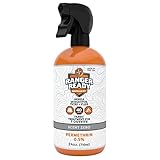 Ranger Ready PermethrinFine-Mist PermethrinClothing, gear, large batchesPermethrin 0.5%Minimum 6 weeks$20.99
Label time: Minimum 6 weeks, several [or 5] washings (label); maker: up to 40 days or 5 washes
Evidence: maker specs only, no independent test
 Repel PermethrinAerosol PermethrinClothing, small batchesPermethrin 0.5%2 weeks minimum
Evidence: maker specs only, no independent test
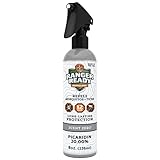 Ranger Ready PicaridinLarge-Bottle PicaridinSkin, picaridin, large bottlePicaridin 20%Chiggers 8 h$20.99
Evidence: maker specs only, no independent test
 Repel Sportsmen Max40% DEET AerosolSkin, 40% DEET, aerosolDEET 40%Chiggers: see can$4.98 Prime
Label time: Chiggers: see can (optional EPA master-label table: ticks and chiggers up to 3 h, mosquitoes 6 h; check your can)
Evidence: maker specs only, no independent test
 Repel 10098% DEET PumpSkin, 98% DEET, compactDEET 98.11%Chiggers: see can$7.48 Prime
Label time: Chiggers: see can (optional EPA master-label table: ticks and chiggers up to 5 h, mosquitoes 10 h; check your can)
Evidence: The Spruce, this exact model
How We Checked Each Label for Chiggers
How this guide was built
built from EPA-accepted product labels, manufacturer documentation, CDC and EPA guidance, published third-party reviews and owner reports; we have not tested these products ourselves.
What every pick had to show
- Chiggers named on the label or by the maker. We read each product’s EPA-accepted label in EPA’s Pesticide Product Label System and kept a spray only when the label (or the maker’s page for that product) names chiggers. A spray that only mentions mosquitoes and ticks did not qualify.
- An EPA registration number we could trace. CDC’s scrub typhus page advises using “Environmental Protection Agency (EPA)-registered insect repellents containing DEET or other active ingredients registered for use against chiggers, on exposed skin and clothing.” We give each pick’s EPA Reg. No. from its label or the maker’s safety data sheet.
- Active ingredient and concentration, from the label.
- Protection time only as the label states it. Where a label gives no time for chiggers, we say so instead of borrowing the mosquito figure.
- The right use for the ingredient. Permethrin is a clothing and gear treatment; CDC is direct: “Do NOT use permethrin products directly on skin. They are intended to treat clothing.” The skin repellents here are DEET or picaridin.
- The exact size and form on Amazon, checked on the listing on the day of writing, with the seller.
Where the evidence comes from, how independent each source is and what posters on r/homestead do about chiggers
Where the evidence comes from
- EPA-accepted labels for each registration (linked in each review), and EPA’s records of each registration number.
- CDC’s scrub typhus page and the CDC Yellow Book chapter on mosquitoes, ticks and other arthropods, for how to use repellents and permethrin.
- EPA’s guide to using insect repellents safely and EPA’s page on repellent-treated clothing.
- Extension entomologists: University of Kentucky ENTFACT-630 and Purdue’s E-34, Chiggers and Their Control, both of which rank for this search.
- The Spruce’s bug repellent roundup (updated April 2026), which picked the Sawyer SP544 and Repel 100 we link.
- The r/homestead thread that ranks first for this search.
How independent each source is
CDC, EPA and the two university extension services sell nothing. The Spruce does not sell repellents but earns affiliate commissions, and its method note says only that it “tested the repellents for outdoor use and evaluated their effectiveness,” without chigger-specific testing. Labels and maker pages are the makers’ own claims, approved by EPA in the case of labels; we quote them as claims, not as test results. No independent test of chigger protection for these specific products turned up in our research, so six of the eight picks rest on their labels and makers alone, and each review says so.
What posters on r/homestead do about chiggers
The ranking thread is from a homesteader who gets bitten by “all chiggers and all insects.” Several replies pointed to permethrin on clothes plus a repellent on skin. One poster wrote: “Pants and long sleeved shirt, treat with permethrin.” Another described Sawyer’s aerosol permethrin and added: “Use in conjunction with a standard insect repellent spray or cream on the exposed areas of skin.” Several posters preferred picaridin to DEET for feel and smell, and one warned: “Permethrin is highly toxic to cats, really bad news.” Those points shaped how we grouped the picks.
Chigger Sprays: Detailed Reviews
Sawyer Premium Permethrin, Permethrin Clothing Spray
Hikers, hunters and gardeners who will spend time in tall grass and want their pants, socks and boots treated before they go.
$17.55 from AmazonAs of Nov 4, 10:30 UTCVerdict
A 0.5% permethrin clothing treatment whose EPA-accepted label names chiggers and states six weeks or six launderings of protection, in a 24 oz bottle the label says treats five outfits.
Evidence: No independent test; maker specs. Source: EPA-accepted label, Reg. No. 50404-3.
Permethrin goes on clothes, socks, shoes and gear; CDC says it “should never be applied to the skin.” The EPA-accepted label for registration 50404-3, which Sawyer distributes as 50404-3-58188 per its safety data sheet for SP657, opens its clothing directions with “To repel & kill mosquitoes, chiggers, mites and ticks, including Ticks which carry Lyme Disease and Rocky Mountain Spotted Fever.” For chiggers it adds: “Pant cuffs should be worn inside socks or footwear to ensure full protection against ticks and chiggers.”
The label is just as clear about how not to use it: “This product must not be applied to clothing while it is being worn. Under no circumstances should bare skin or clothing on the body be treated.” Spray outdoors, let each item dry “for at least 2 hours (4 hours under humid conditions),” and the label says “DO NOT TREAT UNDERWEAR, HATS, CAPS OR INNER CLOTHING.” Its warnings include “Harmful if absorbed through skin” and, in its notes for treated items, “Do not expose cats to wet permethrin as it affects their central nervous system.” CDC’s Yellow Book backs the approach: “At a concentration of 0.5%, permethrin-treated clothing repels and kills ticks, chiggers, mosquitoes, and other biting and nuisance arthropods.”
Protection, per the label: “Clothing should be retreated after six weeks [42 days] or after the sixth laundering to maintain adequate protection.” Sawyer’s page says the same: “up to 6 weeks or through 6 washings (whichever comes first).” A poster in the r/homestead thread who uses Sawyer’s aerosol version (not this trigger bottle) wrote that it “works wonders to keep ticks, mosquitoes, and chiggers at bay,” paired with a skin repellent. Hunters treating field clothes may want our deer-hunting camo guide too.
Specs (linked: 24 oz trigger spray, SP657)
Pros
- EPA-accepted label names chiggers and states six weeks or six launderings of protection on clothing
- Treats socks, pant cuffs and boots, where UKY says chiggers often bite
- Odorless after drying, per Sawyer
Cons
- Clothing and gear only: the label forbids skin contact and treating clothes while worn
- Must dry for at least 2 hours (4 in humid conditions) before wearing
- Toxic to cats while wet, per the label
Who should buy it
Hikers, hunters and gardeners who will spend time in tall grass and want their pants, socks and boots treated before they go.
- Active ingredient: permethrin 0.5% (EPA record for 50404-3)
- EPA Reg. No.: 50404-3-58188 (Sawyer safety data sheet)
- Chiggers on the label: yes, in the clothing directions
- Label protection: six weeks (42 days) or six launderings, whichever comes first
- Coverage: label says one 24 oz bottle “will treat five complete outfits,” about 4.5 oz per outfit
- Seller: Amazon.com at the time of writing
- Price tier: $$ (live Amazon price in the table above)
Sawyer 20% Picaridin, Picaridin Skin Spray
Anyone who wants a DEET-free spray for exposed skin, including parents, whom the label tells not to apply it to the hands of small children.
$10.99 from AmazonAs of Nov 4, 10:30 UTCVerdict
A 20% picaridin pump spray for skin whose label and maker list chiggers at up to 8 hours; The Spruce picked this exact SP544 bottle among picaridin sprays, with a complaint about the pump.
Evidence: Independently reviewed, exact model. The Spruce: SP544 pump spray.
Sawyer’s product page says the spray “is effective for up to 12 hours against mosquitoes and ticks with 8 hours of protection against biting flies, gnats, chiggers, and sand flies.” The EPA-accepted label for 54287-22, which Sawyer distributes as 54287-22-58188 (SP541, SP543 and SP544, per Sawyer’s safety data sheet), carries the same pairing: “12 hours against mosquitoes and ticks” and “8 hours against biting flies, stable flies, black flies, gnats, chiggers, sand flies, and fleas.” The directions say “Reapply every 8 [12] hours. Do not exceed two applications per day,” and “Do not use under clothing.”
The Spruce wrote: “For those looking for a bug spray that’s generally less intense than DEET, picaridin products have become a popular go-to alternative, and the SP544 Premium Insect Repellent from Sawyer ranks as our all-around top choice.” It noted the chigger limit too: Sawyer “only estimates eight hours for fighting off gnats, chiggers, and various biting flies.” Its caveat: “The pump-spray container can be frustrating, however, with the spray coming out messy or globby or leaking from the top.” Its test did not single out chiggers.
This is the same SP544 bottle we pick in our camping repellent guide, which covers mosquitoes and campsite devices as well.
Sawyer Picaridin or Ranger Ready Picaridin? Both are 20% picaridin with chiggers listed at 8 hours. The Sawyer is a 4 oz pump with an independent pick from The Spruce, at the mid-range tier; the Ranger Ready is an 8 oz trigger bottle with no independent test we found, at the premium tier.
Specs (linked: 4 oz pump spray, SP544)
Pros
- Picaridin skin spray whose label and maker list chiggers at up to 8 hours
- Picked by The Spruce in this exact SP544 size
- Sawyer says it “won’t damage plastics or synthetic coatings”
Cons
- Chigger protection on the label is 8 hours, against 12 for mosquitoes and ticks
- The Spruce found the pump messy and prone to leaking
- Label caps it at two applications per day
Who should buy it
Anyone who wants a DEET-free spray for exposed skin, including parents, whom the label tells not to apply it to the hands of small children.
- Active ingredient: picaridin 20%
- EPA Reg. No.: 54287-22-58188 (Sawyer safety data sheet)
- Chiggers on the label: yes, up to 8 hours
- Label protection: mosquitoes and ticks up to 12 hours; chiggers up to 8 hours
- Label limit: no more than two applications per day
- Seller: Amazon.com at the time of writing
- Price tier: $$ (live Amazon price in the table above)
OFF! Deep Woods Insect Repellent V, 25% DEET Aerosol
Hikers and campers who want an inexpensive DEET spray for skin and pant cuffs on a day in grassy, brushy country.
$7.39 from AmazonAs of Nov 4, 10:30 UTCVerdict
A 25% DEET aerosol whose EPA-accepted label names chiggers and tells you to spray cuffs and socks for them, at a budget price tier; the label gives a time for mosquitoes only.
Evidence: No independent test; maker specs. Source: EPA-accepted label, Reg. No. 4822-167.
The 6 oz green can is registered as EPA Reg. No. 4822-167; EPA’s record lists “OFF! Deep Woods Insect Repellent V” as one of its brand names. The label promises “LONG LASTING PROTECTION from mosquitoes, ticks (including ticks that may cause Lyme disease), biting flies, gnats and chiggers,” and its directions add: “For ticks and chiggers also spray cuffs, socks and around other openings in outer clothing.” The protection time on the label is for mosquitoes: “Mosquito protection (for up to 8 hours).” It states no separate time for chiggers.
The label also says what DEET can damage: “Do not apply on or near: acetate, rayon, spandex or other synthetics (other than nylon), furniture, plastics, watch crystals, leather and painted or varnished surfaces including automobiles.” It is flammable (“Contents under pressure”) and carries a CAUTION for eye irritation. For children: “Do not allow children to handle this product. Do not apply to children’s hands. When using on children, apply to your own hands and then put it on the child.”
No independent test of this can’s chigger protection turned up; this pick rests on its label. It also appears in our camping repellent guide.
OFF! Deep Woods or Repel Sportsmen Max? Both are DEET aerosols at the budget tier. The OFF! is 25% DEET and gives no chigger time; the Repel is 40% DEET, and EPA’s accepted label includes an optional table listing ticks and chiggers at up to 3 hours, wording that may not appear on the can, so check your can. CDC’s Yellow Book notes that “higher concentrations of active ingredients provide longer duration of protection,” though that note is about repellents in general, not chiggers.
Specs (linked: 6 oz aerosol)
Pros
- 25% DEET aerosol whose label names chiggers and says to spray cuffs and socks
- Can be sprayed on the outer surfaces of cotton, wool and nylon clothing, per the label
- Budget tier in this guide
Cons
- Label states no protection time for chiggers
- Can damage plastics, synthetics other than nylon and painted surfaces, per the label
- Flammable aerosol
Who should buy it
Hikers and campers who want an inexpensive DEET spray for skin and pant cuffs on a day in grassy, brushy country.
- Active ingredient: DEET 25%
- EPA Reg. No.: 4822-167
- Chiggers on the label: yes, in the claims and the clothing directions
- Label protection: mosquitoes up to 8 hours; no time stated for chiggers
- Seller: Amazon.com at the time of writing
- Price tier: $ (live Amazon price in the table above)
Ranger Ready Permethrin 0.5%, Fine-Mist Permethrin
Families or hunting groups treating several outfits and a tent at once who want a large trigger bottle.
$20.99 from AmazonAs of Nov 4, 10:30 UTCVerdict
A 24 oz trigger bottle of 0.5% permethrin; its label names chiggers and states protection that “lasts a minimum of six weeks, and holds up through several [or 5] machine washings”; Ranger Ready’s page says up to 40 days or 5 washes.
Evidence: No independent test; maker specs. Source: Ranger Ready product page.
The EPA-accepted label (Reg. No. 93221-2; EPA’s record shows the registration moved to 103384-2 in November 2024, so newer bottles may carry that number) says: “For protection against Ticks (including those which may carry Lyme disease), chiggers and mosquitoes, apply product as directed below.” The label states “CLOTHING TREATMENT ONLY – DO NOT APPLY TO SKIN,” “Wash treated clothing separately” and “This product is toxic to cats.”
The label’s retreatment instructions say the treatment provides “residual protection which lasts a minimum of six weeks, and holds up through several [or 5] machine washings.” As the maker’s own claim, Ranger Ready’s page says it “Protects for up to 40 days or 5 washes” and tells you to “Always wear protective gloves” when applying. The label’s retreatment rule: “DO NOT RETREAT CLOTHING MORE THAN ONCE EVERY SIX WEEKS. LAUNDER CLOTHING AT LEAST ONCE BEFORE RETREATING.” The Amazon listing says one 24 oz bottle is “enough tick spray to treat 7 full outfits,” matching an optional claim on the label.
Ranger Ready or Sawyer permethrin? Both are 0.5% permethrin in 24 oz trigger bottles. Both labels state six weeks of protection. The difference is outfits per bottle and tier: five for the Sawyer, at the mid-range tier, and seven for the Ranger Ready, at the premium tier. No independent test of either for chiggers turned up.
Specs (linked: 24 oz trigger, Scent Zero)
Pros
- Permethrin label that names chiggers, sold by the brand’s own Amazon storefront
- Seven outfits per 24 oz bottle, per the listing and label
- Unscented “Scent Zero” formula, per the maker
Cons
- Maker’s page (up to 40 days or 5 washes) is shorter than its own label’s six-week minimum; follow the label’s retreatment rule (no more than once every six weeks)
- Clothing and gear only; toxic to cats, per the label
- No independent test found
Who should buy it
Families or hunting groups treating several outfits and a tent at once who want a large trigger bottle.
- Active ingredient: permethrin 0.5%
- EPA Reg. No.: 93221-2 on the accepted label; 103384-2 since the 2024 transfer (EPA record)
- Chiggers on the label: yes
- Protection: label “lasts a minimum of six weeks, and holds up through several [or 5] machine washings”; maker: up to 40 days or 5 washes
- Coverage: 7 full outfits per 24 oz (Amazon listing; optional label claim)
- Seller: Ranger Ready Repellents (the brand’s Amazon storefront), shipped by Amazon, at the time of writing
- Price tier: $$$ (live Amazon price in the table above)
Repel Permethrin Clothing & Gear, Aerosol Permethrin
Someone treating one pair of pants and socks for a weekend in tall grass who does not want a large bottle.
View on AmazonVerdict
A 6.5 oz permethrin aerosol at a budget price tier, whose label names chiggers but states a minimum of two weeks of protection, a shorter window than the two trigger sprays above.
Evidence: No independent test; maker specs. Source: EPA-accepted label, Reg. No. 305-55.
Repel’s clothing spray is sold under EPA Reg. No. 305-55; EPA’s record lists “Repel Permethrin Clothing & Gear Insect Repellent” as a brand name of that registration. The label: “For protection against ticks (including those, which may carry Lyme disease), chiggers and mosquitoes, apply product as directed below.” It also advises that “Pant cuffs should be worn inside the socks or footwear to ensure full protection against ticks and chiggers.”
Its protection statement is shorter than the trigger sprays above: “residual protection, which lasts a minimum of two weeks, and holds up through several machine washings. DO NOT RETREAT CLOTHING MORE THAN ONCE EVERY TWO WEEKS.” The label says “Three ounces will treat one complete [an average] outfit,” so a 6.5 oz can covers about two outfits. Its warnings: “DO NOT USE ON CATS,” “Contents under pressure,” and “Harmful if absorbed through the skin.” The label is explicit: “This product must not be applied to clothing while it is being worn. Under no circumstances should bare skin or clothing on the body be treated.” It also carries “CLOTHING TREATMENT ONLY – DO NOT APPLY TO SKIN.”
Repel aerosol or a 24 oz trigger bottle? The aerosol is the budget way to treat one or two outfits, for example socks and pants for a single trip. For a family or a season, the Sawyer and Ranger Ready bottles cover five to seven outfits each with longer label protection times.
Specs (linked: 6.5 oz aerosol)
Pros
- Budget-tier permethrin aerosol whose label names chiggers
- Small can for treating one or two outfits before a trip
- Label covers nets, tents, sleeping bags and backpacks too
Cons
- Label protection of two weeks, against six weeks on Sawyer’s label
- About two outfits per can, per the label’s 3 oz per outfit
- Clothing and gear only; flammable aerosol; toxic to cats, per the label
Who should buy it
Someone treating one pair of pants and socks for a weekend in tall grass who does not want a large bottle.
- Active ingredient: permethrin 0.5%
- EPA Reg. No.: 305-55
- Chiggers on the label: yes
- Label protection: minimum of two weeks; no retreatment more often than every two weeks
- Coverage: label says 3 oz treats one outfit
- Seller: Amazon.com at the time of writing
- Price tier: $ (live Amazon price in the table above)
Ranger Ready Picaridin 20%, Large-Bottle Picaridin
Households that go through a lot of skin repellent in chigger season and want a DEET-free formula in a larger bottle.
$20.99 from AmazonAs of Nov 4, 10:30 UTCVerdict
An 8 oz trigger bottle of 20% picaridin whose label and maker list chiggers at up to 8 hours, sold by the brand’s own Amazon storefront; no independent test turned up.
Evidence: No independent test; maker specs. Source: Ranger Ready product page.
The EPA-accepted label (Reg. No. 93221-1; moved to 103384-1 in November 2024, per EPA’s record) lists “Long-lasting, 12 hour effective protection from ticks and mosquitoes” and “Repels biting flies, stable flies, black flies, gnats, chiggers, sand flies, and Scottish biting midges for up to 8 hours.” Ranger Ready’s page says the same: “8-hour protection from gnats, flies, fleas, chiggers, no-see-ums.”
The label’s directions: “Do not exceed two applications per day,” “Do not apply under clothing,” and “When using on children, apply to your hands and then apply it to the child.” Its warning is “CAUTION. Causes moderate eye irritation.”
The trade-off against the Sawyer picaridin is set out in that review: same 20% picaridin and the same 8-hour chigger figure, twice the volume, no independent pick, premium tier.
Specs (linked: 8 oz trigger, Scent Zero)
Pros
- 8 oz bottle of 20% picaridin with chiggers listed at up to 8 hours
- Sold by the brand’s own storefront on Amazon
- Unscented formula, per the maker
Cons
- Premium tier in this guide
- No independent test found; this pick rests on the label and maker
- Label caps it at two applications per day
Who should buy it
Households that go through a lot of skin repellent in chigger season and want a DEET-free formula in a larger bottle.
- Active ingredient: picaridin 20%
- EPA Reg. No.: 93221-1 on the accepted label; 103384-1 since the 2024 transfer (EPA record)
- Chiggers on the label: yes, up to 8 hours
- Label protection: ticks and mosquitoes 12 hours; chiggers 8 hours
- Seller: Ranger Ready Repellents (brand storefront), shipped by Amazon, at the time of writing
- Price tier: $$$ (live Amazon price in the table above)
Repel Sportsmen Max 40% DEET, 40% DEET Aerosol
Hunters, anglers and hikers who want a stronger DEET aerosol for a few hours in grassy cover and will reapply as the label allows.
$4.98 from AmazonAs of Nov 4, 10:30 UTCVerdict
A 40% DEET aerosol at a budget price tier; EPA’s accepted label includes an optional table listing ticks and chiggers at up to 3 hours, which may not appear on the can, so check your can.
Evidence: No independent test; maker specs. Source: EPA-accepted label, Reg. No. 305-46.
The label for EPA Reg. No. 305-46, which EPA lists under the brand name “Repel Insect Repellent Sportsmen Max Formula 40% DEET,” carries a table of protection times: “Mosquitoes 6 hours,” then “Tick & Chiggers 3 hours.” It is optional text on the label, so check the can you receive. The directions say: “For ticks, chiggers and fleas apply to tops of socks and around openings of outer clothing.” The Amazon listing names chiggers too: “ALSO REPELS TICKS, GNATS, BITING FLIES, CHIGGERS & FLEAS.”
This is a WARNING-level product: “Causes substantial but temporary eye injury. Do not get in eyes. Harmful if swallowed.” The label says “Do not use under clothing” and “Do not allow children to handle this product.”
Repel Sportsmen Max or Repel 100? The Sportsmen Max is a 40% DEET aerosol and Repel 100 a 98.11% DEET pump. Their EPA master labels offer optional tick and chigger lines of up to 3 hours and up to 5 hours respectively; that optional wording may not appear on either can, so check the can you receive. CDC’s Yellow Book says “DEET efficacy tends to peak at a concentration of approximately 50%,” a finding it reports for mosquitoes.
Specs (linked: 6.5 oz aerosol)
Pros
- EPA’s accepted label includes an optional table listing ticks and chiggers at up to 3 hours; check your can
- 40% DEET aerosol for skin and the tops of socks
- Budget tier in this guide
Cons
- The 3-hour chigger time is optional wording on EPA’s master label and may not appear on the can
- WARNING signal word for eye injury
- Flammable aerosol; no independent test found
Who should buy it
Hunters, anglers and hikers who want a stronger DEET aerosol for a few hours in grassy cover and will reapply as the label allows.
- Active ingredient: DEET 40%
- EPA Reg. No.: 305-46
- Chiggers on the label: yes, in the claims, the table and the directions
- Label protection: optional table on the EPA master label (may not appear on the can; check your can): mosquitoes 6 hours; ticks and chiggers 3 hours
- Seller: Amazon.com at the time of writing
- Price tier: $ (live Amazon price in the table above)
Repel 100, 98% DEET Pump
Adults who want a small bottle of high-concentration DEET for long days in brush and accept the feel, the smell and the care around gear.
$7.48 from AmazonAs of Nov 4, 10:30 UTCVerdict
A 4 oz pump of 98.11% DEET; EPA’s accepted label includes an optional table listing ticks and chiggers at up to 5 hours, which may not appear on the can, so check your can. The Spruce picked it, and noted the greasy feel and harsh odor.
Evidence: Independently reviewed, exact model. The Spruce: Repel 100, 4 oz pump (pack size not stated).
Repel 100’s EPA-accepted label (Reg. No. 305-30) lists “Mosquitoes 10 hours” and “Tick & Chiggers 5 hours” in an optional table. It is optional text on the label, so check the can you receive. The label also says “Also repels Ticks, Biting Flies, Gnats, No-See-Ums, Chiggers & Fleas.” Its directions match the Sportsmen Max: “For ticks, chiggers and fleas apply to tops of socks and around openings of outer clothing.” It is also a WARNING-level product for eye injury, and the label lists what it may damage: “furniture finishes, leather, plastics, painted and varnished surfaces including watch crystals, guns, bows and automobiles.”
The Spruce wrote: “Given the various diseases mosquitoes can potentially carry, protecting against them is one of the main reasons to spring for a high-concentration formula like the Repel 100.” Its “What We Don’t Like” list reads “Greasy with harsh odor” and “Requires caution when applying around kids and plastics.” Its write-up is about mosquitoes, not chiggers.
Specs (linked: 4 oz pump)
Pros
- EPA’s accepted label includes an optional table listing ticks and chiggers at up to 5 hours, against 3 in the Sportsmen Max’s optional table; check your can
- Compact 4 oz pump, picked by The Spruce
- Budget tier in this guide
Cons
- Greasy with a harsh odor, per The Spruce
- Can damage plastics, finishes and some synthetics, per the label
- WARNING signal word for eye injury
Who should buy it
Adults who want a small bottle of high-concentration DEET for long days in brush and accept the feel, the smell and the care around gear.
- Active ingredient: DEET 98.11%
- EPA Reg. No.: 305-30
- Chiggers on the label: yes, in the claims, the table and the directions
- Label protection: optional table on the EPA master label (may not appear on the can; check your can): mosquitoes 10 hours; ticks and chiggers 5 hours
- Seller: Amazon.com at the time of writing
- Price tier: $ (live Amazon price in the table above)
Permethrin for Clothes, Repellent for Skin
UKY describes chiggers that “crawl to the ends of blades of grass or tips of other plants and wait for a host,” and both CDC and UKY pair a clothing treatment with a skin repellent. CDC’s scrub typhus page lists “Treat clothing and gear with 0.5% permethrin or purchase permethrin-treated items” next to EPA-registered repellents on skin. EPA notes that when wearing factory-treated clothing, “only the skin surface covered with the factory-treated clothing is protected from the pests listed on the label,” and advises a skin repellent for exposed parts of the body.

Picks: Sawyer Premium Permethrin, Ranger Ready Permethrin and Repel Permethrin Clothing & Gear for clothes; Sawyer 20% Picaridin, OFF! Deep Woods, Ranger Ready Picaridin, Repel Sportsmen Max and Repel 100 for skin.
- Permethrin: treat clothes before you wear them and let them dry; the labels say 2 hours, 4 in humid conditions. CDC: “Treated clothing remains protective after multiple washings. See product information to learn how long the protection will last.” EPA’s page on treated clothing explains that “the label instructs consumers to wash permethrin-treated clothing separately from non-treated clothing.”
- DEET or picaridin on skin: EPA’s advice is to “Apply repellents only to exposed skin and/or clothing. Do not use under clothing.” CDC adds: “if travelers start getting bitten, they should reapply but not more often than the label allows.”
Where to Spray for Chiggers
Purdue’s extension guide says: “Apply the repellent to clothing around the ankles, waist and arms.” The labels here agree on the details: the DEET labels say to spray the tops of socks, cuffs and “around openings of outer clothing,” and the permethrin labels ask for pant cuffs worn inside socks or footwear. UKY’s other suggestion needs no product: “Wearing long pants, that are tucked into socks or shoes, and long sleeves can reduce the ability of chiggers to reach your skin.” Our camping checklist has the rest of the packing list.
After a day out, UKY notes “you can also dislodge chiggers by wiping your legs down with a dry towel or taking a quick shower and scrubbing your lower appendages,” and EPA says “After returning indoors, wash treated skin and clothes with soap and water.”
Children and Pregnancy: What CDC and EPA Say
We do not give medical advice; this is what the agencies and labels say.
- Children: EPA states that “DEET is approved for use on children with no age restriction,” and CDC’s Yellow Book says products containing “DEET, picaridin, IR3535, and 2-undecanone can be used on children without age restriction,” while “parents should not use products containing OLE or PMD on children <3 years old.” The skin labels here say not to apply repellent to children’s hands, and most say to put it on your own hands first and then on the child; CDC adds: “Do not apply insect repellent onto a child’s hands, eyes, or mouth or on cuts or irritated skin.”
- Pregnancy: CDC’s Yellow Book: “EPA-registered products are considered safe when used as directed, even for pregnant and breastfeeding women.”
- Permethrin: CDC: “Permethrin should never be applied to the skin but only to clothing, mosquito nets, or other fabrics as directed on the product label.”
For concerns about using repellents on children, EPA says “you may wish to consult a health care provider for advice or contact the National Pesticide Information Center (NPIC),” at 1-800-858-7378.
Natural Chigger Repellents and Home Remedies
CDC lists oil of lemon eucalyptus (OLE) and PMD among the active ingredients in EPA-registered repellents, but CDC “does not recommend using ‘pure’ oil of lemon eucalyptus (an essential oil that is not formulated) as a repellent because it has not undergone validated testing for safety and efficacy.” The OLE spray we checked, Repel’s plant-based lemon eucalyptus (EPA Reg. No. 305-62), does not list chiggers among its pests in EPA’s record, so it is not a pick. Home remedies posted on forums, such as Epsom salt scrubs or sulfur, are not EPA-registered repellents and are not picks either.
Frequently Asked Questions
Q. What is the best bug spray for chiggers on humans?
For skin, look for an EPA-registered DEET or picaridin repellent whose label names chiggers. UKY’s entomologist calls DEET “the best option for your skin.” Among the picks, the Sawyer 20% Picaridin and Ranger Ready Picaridin labels list chiggers at up to 8 hours, Repel 100‘s EPA label offers an optional tick and chigger line of up to 5 hours (optional text that may not appear on the can; check your can), and OFF! Deep Woods names chiggers without a time. Pair it with permethrin-treated clothing.
Q. Does permethrin spray work for chiggers?
The labels and CDC say so: CDC’s scrub typhus page states “Permethrin kills chiggers and can be used to treat boots, clothing, and camping gear,” and all three permethrin labels here name chiggers. It goes on clothing and gear only, never skin.
Q. What is the best tick and chigger repellent for humans?
Every pick in this guide names both ticks and chiggers on its label or maker page. For clothes, the Sawyer Premium Permethrin label states six weeks or six launderings. For skin, the two picaridin sprays list ticks at 12 hours and chiggers at 8, per their labels.
Q. What kills chiggers instantly?
None of these labels promises instant results. CDC says permethrin “kills chiggers,” and Purdue’s extension guide says “Bathing in hot, soapy water as soon as possible after exposure will reduce the number of bites.” For bites that are already itching, the travel first-aid kit guide covers what to carry; ask a pharmacist or doctor about treatment.
Q. Is there a natural chigger repellent for humans?
CDC lists OLE and PMD as EPA-registered plant-derived ingredients, but the OLE product we checked does not list chiggers in EPA’s record, and CDC advises against “pure” essential oil. See the section above.
Q. What is the best bug spray for chiggers in the house?
The sprays here are for people and their clothes. Purdue’s extension guide notes chiggers “are most likely to be encountered in briar patches, uncut grass, and weeds,” and UKY recommends “brush removal, mowing, and landscape management” for yards. For a problem indoors or in a lawn, check with your local extension office.
Q. What does Reddit recommend for chiggers?
In the r/homestead thread that ranks for this search, several replies pointed to permethrin on clothing plus a skin repellent, and several posters said they prefer picaridin to DEET. One poster’s warning is worth repeating: permethrin is toxic to cats, which the labels confirm.
The bottom line
Final Verdict
For chigger country, treat your clothes and wear repellent on exposed skin, as CDC and UKY advise. The Sawyer Premium Permethrin, 24 oz trigger spray (SP657) (check price) is our starting point for pants, socks and boots: its label names chiggers and states six weeks or six launderings. The Ranger Ready Permethrin 0.5%, 24 oz Scent Zero (check price) treats more outfits per bottle (seven, per the listing and an optional label claim), and the Repel Permethrin Clothing & Gear, 6.5 oz aerosol (check price) is the budget can for a single trip. On skin, the Sawyer 20% Picaridin, 4 oz pump spray (SP544) (check price) lists chiggers at 8 hours and was The Spruce’s picaridin pick; the Ranger Ready Picaridin 20%, 8 oz Scent Zero (check price) is the larger bottle of the same ingredient. For DEET, the OFF! Deep Woods Insect Repellent V, 6 oz aerosol (check price) names chiggers at the budget tier, the Repel Sportsmen Max 40% DEET, 6.5 oz aerosol (check price) and the Repel 100, 4 oz pump (check price) have EPA labels that offer optional tick and chigger lines of up to 3 hours and up to 5 hours respectively, optional text that may not appear on the can, so check your can. Whichever you choose, follow the label: permethrin on clothes only, repellent on exposed skin only, and reapply no more often than the label allows.
Product prices and availability are accurate as of the date/time indicated and are subject to change. Any price and availability information displayed on Amazon.com at the time of purchase will apply to the purchase of this product.